Lyme disease and tick-borne illness: symptoms and terrain
LYME AND COINFECTIONS · 9 MIN READ
Illness after a tick bite can be hard to name and harder to treat. Here is what tick-borne illness can look like, how it is assessed, and why the terrain shapes recovery.
Summary
Tick-borne illness can cause migrating pain, fatigue, neurological and heart symptoms that cycle in waves.
Borrelia has been found in Australian ticks, but standard tests were built for overseas species, which is one reason many people are not getting answers.
The terrain, including immune, nervous system and total load, shapes how recovery goes.
Lyme disease symptoms can be some of the most confusing in medicine. Pain moves from joint to joint. Fatigue comes in waves. Nerve sensations, headaches, heart palpitations, sleep disturbance and brain fog appear and disappear. Many people have seen several specialists before anyone asks about a tick bite.
What is Lyme disease?
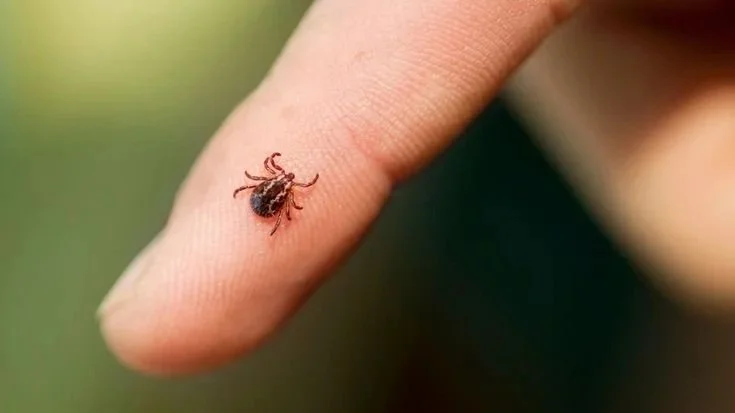
Lyme disease is an infection caused by Borrelia bacteria, carried by certain ticks. It is well established in parts of North America, Europe and Asia. Ticks can also carry other infections, often called coinfections, which can occur alongside or instead of Borrelia.
Is there Borrelia in Australian ticks?
Yes. Researchers at Murdoch University have identified Borrelia bacteria in Australian ticks, including a species named Candidatus Borrelia tachyglossi found in ticks that feed on echidnas and in the paralysis tick. These are new species, genetically distinct from the Borrelia that cause Lyme disease overseas. Australian ticks also carry other organisms, including Rickettsia, which causes Queensland tick typhus, and newly described bacteria such as Neoehrlichia australis.
Whether these Australian Borrelia species cause illness in people is still being studied. What is clear is that Australian ticks carry more than was once assumed.
Why so many people are not getting answers
If you became unwell after a tick bite in Australia and were told your tests are negative, there are real reasons that can happen.
The tests were built for other species. Standard Lyme tests were developed to detect the Borrelia species found in North America and Europe. Australian species are genetically different, and current tests are not designed to find them.
Tests measure the response, not the organism. Lyme blood tests look for the immune system's antibodies rather than the bacteria itself. Early in infection, or in people whose immune response is suppressed, antibodies may not yet be detectable.
There is no agreed Australian diagnosis. Officially, locally acquired Lyme disease has not been confirmed in Australia. The Department of Health uses the term DSCATT, Debilitating Symptom Complexes Attributed to Ticks, to describe people who become unwell after tick bites. A 2016 Senate inquiry heard from many of them and acknowledged both the severity of their illness and the gaps in diagnosis and care.
Being heard matters. Many people have been told their illness is in their head. It is not. The symptoms are real, the gaps in testing are real, and you deserve to be listened to while the science catches up.
People who have travelled to areas where Lyme disease is common may also have acquired it there, and this is always worth raising with your doctor.
What are the symptoms of Lyme disease?
Early infection may bring a spreading rash, sometimes but not always with a bullseye pattern, along with fever, aches and fatigue. When infection persists or the immune response stays active, symptoms can include:
fatigue and crashes after exertion
joint and muscle pain that moves around the body
headaches, light and sound sensitivity
tingling, numbness, burning or nerve pain
brain fog, memory and concentration difficulties
heart palpitations or a racing pulse
disturbed sleep, anxiety and low mood
symptoms that cycle in waves every few weeks
Lyme-like illness
Not everyone who is unwell after a tick bite has a confirmed infection. Some have coinfections, some have an immune or inflammatory response that has not settled, and some have a combination of factors, including mould exposure or another infection, that together exceed what the body can manage. This is sometimes called Lyme-like illness.
How is it assessed?
Assessment starts with a detailed history: where and when you may have been bitten, travel, the timeline of symptoms and what else was happening in your life. Testing is ordered through your doctor and, where appropriate, specialist laboratories. Results can be difficult to interpret, which is why they are always read alongside the whole clinical picture.
Antibiotic treatment is a medical decision, and is coordinated with your doctor.
Why the terrain shapes recovery
Two people bitten by the same tick can have very different outcomes. The difference often lies in the terrain: the state of the immune system, the nervous system, the gut, and the total load the body was already carrying.
Persistent infection can keep cells in protection, a state described by the Cell Danger Response. When the alarm stays on, energy goes to defence instead of repair, which is why fatigue and pain can persist even after infection is treated.
What helps
Stabilise first. Sleep, steady nourishment and nervous system regulation before anything more demanding.
Support elimination. Keep the bowel, liver, kidneys and lymph working well, so the body can clear what it needs to.
Address the wider load. Look for mould, other infections and depletion that may be adding to the picture.
Pace. Pace activity carefully, and never push through a crash.
Rebuild. Rebuild energy, the gut and resilience, gradually and in order.
How I work with Lyme and tick-borne illness in clinic
I take a detailed history and timeline, read your bloods through Endobiogeny and work with your doctor on testing and any antibiotic treatment.
Support is sequenced: stabilise, support elimination, address the wider load such as mould or other infections, then rebuild. Herbal medicine is compounded and paced to what your body can tolerate.
Frequently asked questions
What are the first signs of Lyme disease? Early signs can include a spreading rash, sometimes with a bullseye pattern, fever, aches and fatigue. Not everyone notices a rash or remembers a bite.
Is there Lyme disease in Australia? Borrelia bacteria have been found in Australian ticks, but they are new species, distinct from overseas Lyme Borrelia, and whether they cause illness in people is still being studied. Locally acquired Lyme disease has not been officially confirmed, and illness after tick bites is described as DSCATT.
Why are my Lyme tests negative? Standard tests were designed for overseas Borrelia species and measure antibodies rather than the bacteria. Australian species, early infection or a suppressed immune response may not show up, which is why testing is read alongside your whole history.
Can a naturopath help with Lyme disease? Naturopathic care works alongside your doctor, supporting the terrain, elimination, pacing and recovery. Antibiotic treatment is a medical decision.
Where to start
In an initial consultation, we map your history, timeline and results together and decide what to assess next. For people who need regular support through a long recovery, the Lyme and Coinfections pathway of The Deep Reset offers twelve consultations alongside the foundations of healing, worked alongside your doctor.
This article is general education. For advice specific to you, book an initial consultation.