Mould illness symptoms: could your home be making you unwell?
MOULD AND CIRS · 9 MIN READ
Mould illness can look like many conditions at once. If your symptoms ease when you are away from home and return when you come back, the building may be part of the picture.
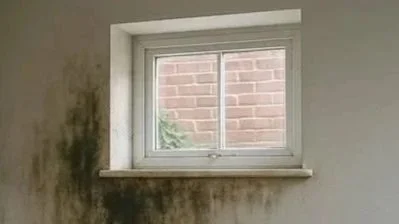
Mould illness symptoms are easy to miss because they rarely sit in one system. Fatigue, brain fog, aching joints, sinus problems, anxiety and new sensitivities can all appear at once, and each specialist sees only their part. The tests often come back normal, and the person is left with a long list of symptoms and no thread connecting them.
For some people, that thread is the building they live or work in.
What are the symptoms of mould illness?
Mould illness affects many systems at once, which is one of its most recognisable features. Common symptoms include:
fatigue, and crashes after exertion
brain fog, poor memory and difficulty finding words
headaches and light sensitivity
sinus congestion, cough or shortness of breath
muscle aches, joint pain and morning stiffness
tingling, numbness or unusual nerve sensations
excessive thirst and frequent urination
night sweats or difficulty regulating temperature
anxiety, low mood or feeling on edge
new reactions to foods, chemicals or smells
No single symptom points to mould. It is the cluster, and the way it moves across systems, that raises the question.
What is CIRS?
CIRS stands for Chronic Inflammatory Response Syndrome. The term was developed by Dr Ritchie Shoemaker to describe an ongoing inflammatory response to biotoxins, most often from water-damaged buildings.
A water-damaged building does not contain mould alone. It holds a mixture of mould, bacteria, fragments of both, and the compounds they release, including mycotoxins and endotoxins. Most people encounter these and clear them without noticing. A proportion of people appear less able to recognise and clear them, and immune gene types are being studied as part of the reason. In those people, the immune system keeps responding.
It is like an alarm wired to every room of the house. Once it is triggered and the source is never removed, it keeps sounding in the brain, the joints, the sinuses and the gut at the same time.
Signs your home may be involved
Your symptoms improve when you are away for a few days and return when you come home.
There is visible mould, a musty smell, condensation, or a history of leaks or flooding.
Others in the household, including pets, are also unwell.
Your symptoms began after moving, renovating, or a water event at home or work.
How is mould illness assessed?
There is no single test that confirms mould illness, so assessment brings several pieces together:
a detailed history and timeline, including every home and workplace
the pattern of symptoms across systems
a visual contrast sensitivity test, a simple screening tool
inflammatory and hormonal blood markers, which your doctor can often order
urine mycotoxin testing where it would help, read with care because its interpretation is still debated
an assessment of the building by a qualified building biologist, often including dust testing
Results are always read alongside the history, never alone.
Why removing exposure comes first
You cannot bail out a boat while the leak is still open. Supporting the body to clear biotoxins while it is still being exposed adds to the load rather than reducing it, and often makes people feel worse.
This is why the first step in mould recovery is not a supplement. It is finding the source, and either having it remediated properly or moving away from it.
The order of recovery
Exposure. Identify and address the source, with a building biologist and a qualified remediation professional where needed.
Elimination. Make sure the bowel, liver, kidneys and lymph are working well before anything is mobilised. The body needs open exits first.
Reduce the load. Gradually reduce what the body is holding, paced to how reactive it has become. This work is slow by design, and consultations are often spaced further apart to match.
Restore. Rebuild the gut, calm the nervous system, and restore hormones and energy once the alarm has quietened.
A strong reaction is not a sign that it is working. It is a sign the body has been asked to move faster than it can manage. Going slower is going faster.
Where to start
If this pattern sounds familiar, the first step is a careful history: when your symptoms began, where you were living, and what has changed since.
In an initial consultation, we map your timeline and results together and decide what assessment would help. For people who need regular support through recovery, the Mould and CIRS pathway of The Deep Reset offers twelve consultations alongside the foundations of healing. If you suspect your home, please also speak with a qualified building biologist or remediation professional.
This article is general education and not personal medical advice. Please speak with your doctor before changing any treatment or medication.